
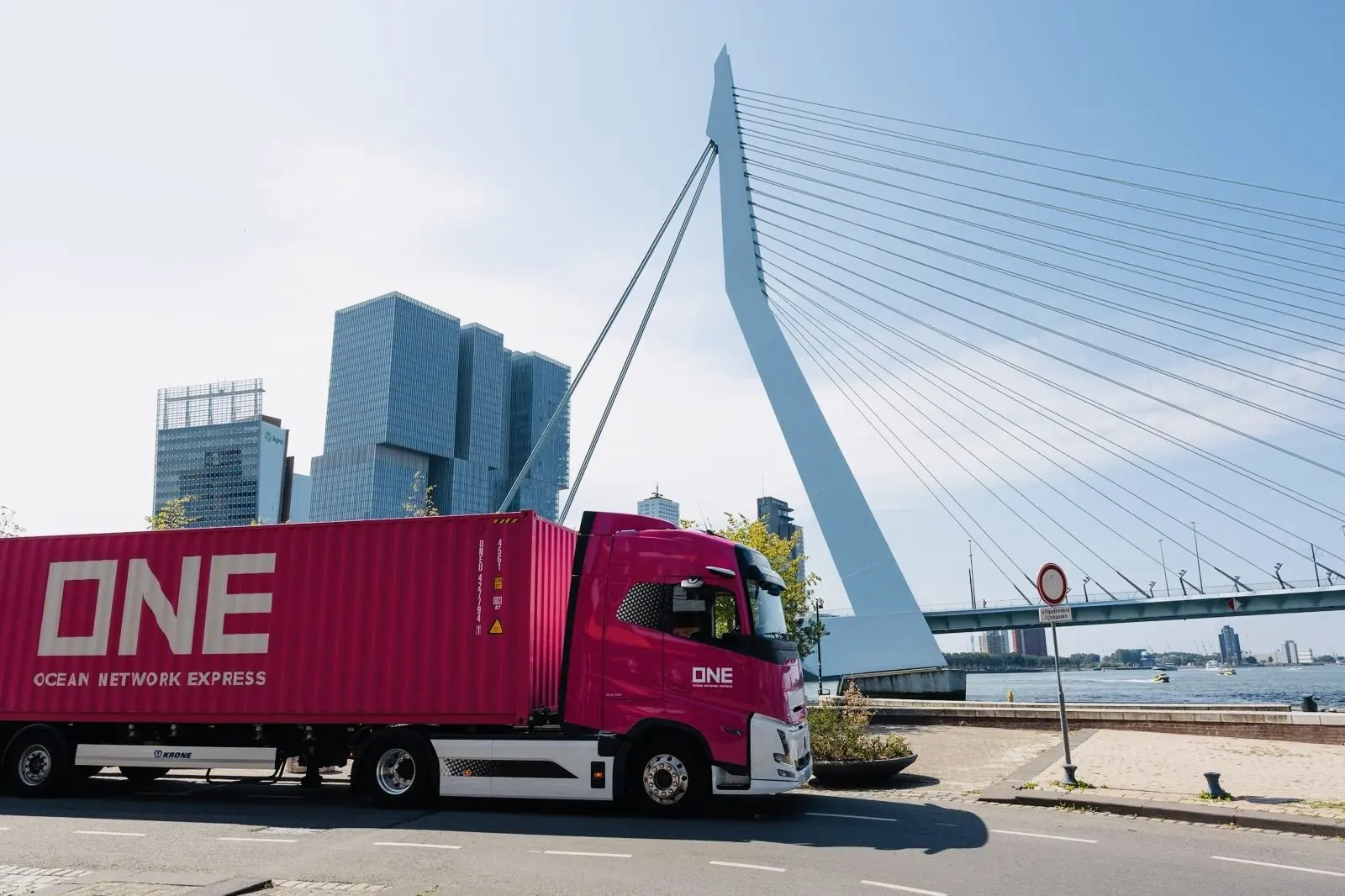
Up to ±90% less CO₂ per load.
By driving on HVO fuel, we substantially reduce the CO₂ emissions of our transport. That way we help reduce transport’s impact on climate change — without giving up reliability or speed.

What it means for you.
Verifiable
HVO use is recorded in certificates and reports — ready for your internal reporting and sustainability targets.
Same flexibility
Large volumes, short lead times and short-notice capacity, evenings included. Cleaner transport costs you no capacity.
A concrete step
Not a promise for later, but lower emissions from your very next load. Measurable — and so easy to explain to your board and customers.
Frequently asked questions
What is HVO100?
HVO stands for Hydrotreated Vegetable Oil: a renewable diesel made mainly from residual and waste streams such as used cooking oil. “100” means 100% HVO, with no fossil diesel blended in.
How much CO₂ does HVO100 save?
Up to roughly 90% compared with fossil diesel, measured across the full chain. The exact saving depends on the feedstock and is stated on the certificate.
How do I prove the saving?
You receive certificates and reports for the loads driven on HVO100, so you can include the saving in your own sustainability report. [Confirm: frequency and format of reporting]
Does this affect planning or speed?
No. We combine HVO100 with the same commitment you know from us: large volumes, short lead times and short-notice runs, evenings included.